Electrodiagnostic Medicine & Neuromuscular Disorders
Convenient, Comprehensive Neurology and PM&R
Designed for neurologists and physical medicine & rehabilitation doctors, residents, and fellows, this continuing medical education program covers all diagnostic and management approaches to both inherited and acquired neuromuscular conditions.

Intended Audience
Specialized training for healthcare professionals at all career stages.
The 41 lectures in Electrodiagnostic Medicine and Neuromuscular Disorders — each just 30 and 45 minutes in length — delve into basic techniques and clinical applications of electrodiagnosis and ultrasound, as well as generalized disorders, motor neuron diseases, polyneuropathies, neuromuscular junction disorders, and myopathies.
Key Take-Home Points
Basics of Needle EMG: Voluntary Activity
Motor unit potential waveform reflects the change in motor unit architecture due to disease processes, while the interference pattern provides information about the number of motor units and their activation.
Neuropathies Associated with Systemic Disease and Cancer
Countless systemic disorders — metabolic, nutritional, inflammatory, infectious, neoplastic, and others — can cause neuropathy and accordingly, neuropathy can take many forms. Carefully characterizing the phenotype of neuropathy can help narrow down the relevant causes.
Muscle Channelopathies
For a patient with a personal and family history of muscle stiffness and pain, consider genetic testing for myotonic disorders.
Learning Objectives
After participating in this activity, clinicians should be able to:
List the methods of rehabilitation management of neuromuscular disease
Recognize the common neuromuscular mimics of the upper extremity
Identify the signs of neuropathies found on physical examination
List the substances that can cause toxic polyneuropathies
Compare the two groups of disorders found in muscle channelopathies
Describe the classic presentation of amyotrophic lateral sclerosis
Explain how to tailor the treatment of myasthenia gravis to disease severity and individual patient
Discuss how to evaluate a patient with generalized weakness
Outline the role of electromyography in focal mononeuropathies of the leg
Name the common inherited and acquired causes of rhabdomyolysis
Topics / Speakers
Basic Neurophysiological Techniques
- Basics of Nerve Conduction Studies - Sensory - Paul E. Barkhaus, MD
- Basics of Nerve Conduction Studies - Motor - Paul E. Barkhaus, MD
- EMG – Spontaneous Activity - William S. David, MD, PhD
- Basics of Needle EMG – Voluntary Activity - Sanjeev D. Nandedkar, PhD
- Assessment of the Neuromuscular Junction – Repetitive Stimulation and Single Fiber EMG - Sanjeev D. Nandedkar, PhD
- Autonomic Function Testing - William S. David, MD, PhD
Clinical Applications: Focal Syndromes
- Electrodiagnosis of Focal Upper Extremity Mononeuropathies - Michael P. Bowley, MD, PhD
- Electrophysiologic Approach to Brachial Plexopathies - William S. David, MD, PhD
- Focal Mononeuropathies in the Leg - William S. David, MD, PhD
- Electrodiagnostic Approach to Lower Limb Radiculopathy and Plexopathy - Haatem Reda, MD
- Peripheral Nerve Ultrasound - Kathy Chuang, MD
Generalized Disorders
- Approach to the Patient with Generalized Weakness - William S. David, MD, PhD
- Approach to the Patient with Multifocal Weakness - Meabh Ohare, MD
- Approach to the Patient with Scapular Winging - Kathy Chuang, MD
- Approach to the Patient with Diplopia - Paloma Gonzalez-Perez, MD, PhD
- Approach to the Patient with Facial Weakness - Kathy Chuang, MD
- Approach to the Patient with Clinical Myotonia - Paloma Gonzalez-Perez, MD, PhD
- Approach to the Patient with Cramps - Sunjay Sethi, MD
Motor Neuron Diseases
- Amyotrophic Lateral Sclerosis - Doreen Ho, MD
- Atypical Motor Neuron Diseases - Mark Garret, MD
- Spinal Muscular Atrophy - Basil T. Darras, MD
Polyneuropathies
- Approach to Neuropathies - Reza Seyedsadjadi, MD
- Charcot-Marie-Tooth (CMT) and Related Disorders - Reza Seyedsadjadi, MD
- Guillain-Barré and Other Acute Acquired Neuropathies - Christopher Doughty, MD
- Chronic Inflammatory Demyelinating Polyneuropathy and Related Disorders - Reza Seyedsadjadi, MD
- Neuropathies Associated with Systemic Disease and Cancer - Christopher Doughty, MD
- Toxic Polyneuropathies - Mohammad Kian Salajegheh, MD
Myopathies & NMJ Disorders
- Myasthenia Gravis - Amanda C. Guidon, MD, MPH
- Congenital, Lambert-Eaton Myasthenic Syndrome, Botulism - Amanda C. Guidon, MD, MPH
- Clinical Approach to Muscle Disease - Anthony A. Amato, MD
- Muscular Dystrophies - Vijay Ganesh, MD, PhD
- Congenital Myopathies - Basil T. Darras, MD
- Metabolic & Mitochondrial Myopathies - Anthony A. Amato, MD
- Muscle Channelopathies - Mohammad Kian Salajegheh, MD
- Idiopathic Inflammatory Myopathies - Anthony A. Amato MD
- Approach to Rhabdomyolysis - Joome Suh, MD
Special Topics
- Neonatal Hypotonia – Approach to the Floppy Infant - Basil T. Darras, MD
- Neuromuscular Mimics - Erik R. Ensrud, MD
- Rehabilitation of Neuromuscular Disorders - Kathy Chuang, MD
Faculty
Learn from the Leaders in Neuromuscular Medicine
Course Directors
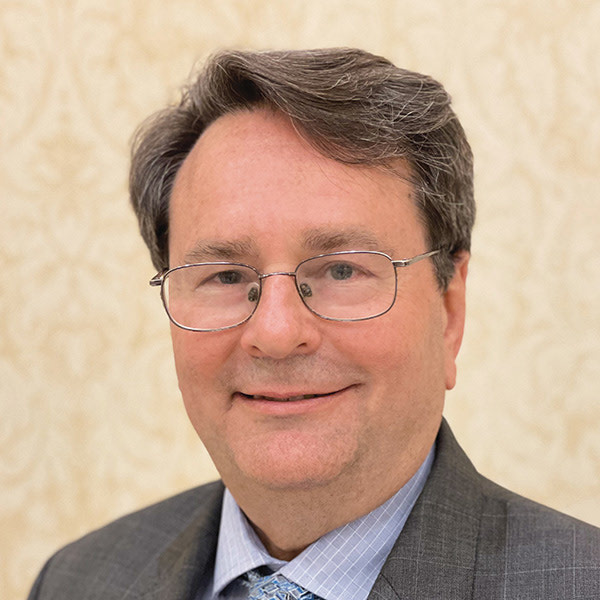
Anthony A. Amato, MD
BWH Distinguished Chair in Neurology
Chief, Neuromuscular Division, Brigham and Women’s Hospital
Professor of Neurology, Harvard Medical School
Boston, MA
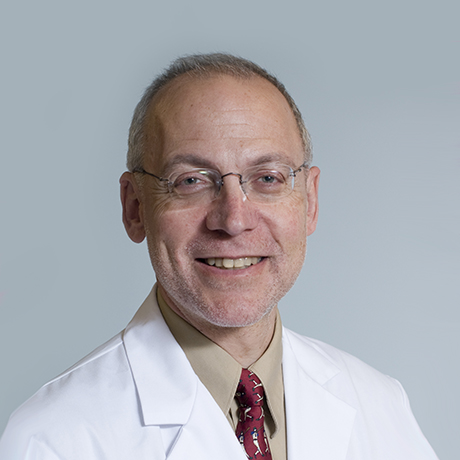
William S. David, MD, PhD
Associate Professor of Neurology
Chief, Division of Neuromuscular Medicine
Massachusetts General Hospital
Harvard Medical School
Boston, MA
Speakers
Paul E. Barkhaus, MD
Professor of Neurology, Medical College of Wisconsin
Michael P. Bowley, MD, PhD
Associate Director, MGB Neurology Residency Program
Kathy Chuang, MD
Director, MGH Paralysis Program; Harvard Medical School
Basil T. Darras, MD
Chief, Division of Neurology, Boston Children’s Hospital
Christopher Doughty, MD
Clinical Director, Neuromuscular Disorders, BWH
Erik R. Ensrud, MD
Professor of Neurology & PM&R, University of Missouri
Vijay Ganesh, MD, PhD
Associate Neurologist, Brigham and Women’s Hospital
Mark Garret, MD
Sean M. Healey & AMG Center for ALS, MGH
Paloma Gonzalez Perez, MD, PhD
Neuromuscular Neurologist, Massachusetts General Hospital
Amanda C. Guidon, MD, MPH
Director, Myasthenia Gravis Clinic, MGH
Doreen Ho, MD
Program Director in Education, NCRI, MGH
Sanjeev D. Nandedkar, PhD
Adjunct Professor, Medical College of Wisconsin
Meabh O’Hare, MD
Instructor in Neurology, Brigham and Women’s Hospital
Haatem Reda, MD
Senior Clinical Neurologist, MGH
Mohammad Kian Salajegheh, MD
Chief, Neuromuscular Division, VA Boston
Sunjay Sethi, MD
Neuromuscular Division, Brigham and Women’s Hospital
Reza Seyedsadjadi, MD
Assistant Professor of Neurology, MGH
Joome Suh, MD
Co-Director of Quality and Safety, BWH
What Our Clients Say
"The comprehensive coverage of topics, from surgical approaches to regulatory challenges, provided me with a holistic understanding of neuromuscular management. The speakers were not only experts but excellent educators."
Dr. Jones
Primary Care Physician
"As a PM&R specialist, this course exceeded my expectations. From innovative interventional techniques to comprehensive rehabilitation strategies, every session was designed to address the unique needs of our patients."
Dr. Emily Chen
PM&R Specialist
"This program delved into the latest advancements in pain medicine, providing me with invaluable skills to optimize patient care. I highly recommend this to fellow physicians looking to stay at the forefront."
Dr. Patel
PM&R Physician
"As a resident, this course was an invaluable experience. It provided a deep dive into acute and chronic management, covering everything from regulatory challenges to mastering advanced techniques."
Alex Smith
Resident in Anesthesiology
"I've attended numerous courses, but none have left me as impressed. The breadth and depth of topics were astounding, providing practical strategies I could apply immediately in my clinical practice."
Dr. Smith
Pain Management Specialist
"Game-changer for my practice. From ultrasound-guided injections to tailored protocols, every session was filled with practical insights that enhanced my confidence in managing complex cases."
Sarah Johnson
Physical Therapist